Planning where to stay for your trip might be a little stressful. It can be hard to find a place that is inexpensive, safe, and provides everything you need. In today’s blog, I will be sharing with you three options; hotel, motel, and Airbnb. I will be explaining in depth of their differences. By the end, you will be able to decide which of the three options is best for your budget and preferences.
Hotel
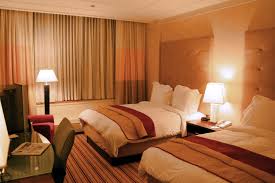
Hotels are the fanciest and most expensive option out of the three. Hotels are big buildings that have multiple rooms and floors. They provide various amenities such as a swimming pool, gym, spa, and restaurant(s). For each room, there is room service, microwave, and refrigerator. Sometimes there are shuttle services and tour guides depending on which hotel you stay at. In addition, hotels are typically located in the center of cities and attraction spots. This might be beneficial if you are unfamiliar with the location. Some popular hotel brands include Hyatt, Holiday Inn, and Marriott.
Pros: Safe, clean, comfortable bedding, several amenities
Cons: Can be expensive
Motel
Motels are slightly cheaper than hotels. Motels typically have two to three floors. In terms of the amenities, they usually provide only Wi-Fi, sometimes free parking and breakfast. The rooms are not the best quality, but they provide everything you need to be able to sleep. They are located on the corners of streets, in less noticeable areas. This might be good for you, if you are looking for a cheap and convenient place to rest. Popular motel brands are Super 8 and Motel 6.
Pros: Provides the basics, save more money
Cons: Can be in sketchy, unsafe locations, not the cleanest or best quality beds, fewer amenities
Airbnb
Airbnbs are a new way for lodging. Owners rent out their houses online for customers. Airbnbs have many locations and different price points (most of them are cheaper than hotels). It is basically like staying at someone else’s home. There is a kitchen, living room, bathroom, etc. In comparison to a hotel or motel, this experience is more personal. You don’t need to check in or out. You can also talk directly to the host if you have any questions or concerns. Some people may think this is a bit unsafe because it is someone’s personal property that you are staying in.
Pros: Cheap alternative, flexible, the hosts are locals (ask them about things to do in area), save money on food by cooking in the kitchen
Cons: Less privacy, owner can charge fees, reality versus online expectations might not match, owner’s expectations vary, availability might be limited, no additional services
Those are the three lodging options. Hopefully, you now know where to book for your next trip. Thanks for reading my blog.
See you next time,
Eryka
 travelingwitheryka